
Shraddha Hospital Loading
High-Risk Pregnancy
Obstetrics

High-Risk Pregnancy

High-risk pregnancy management in Rajkot - Dr. Shaili Mody, 16+ years' obstetric practice, Shraddha Women's Hospital.

Medically reviewed by Dr. Shaili Mody, MBBS, DGO · Last reviewed: August 2026

High-Risk Pregnancy
Dr. Shaili Mody Obstetrician & Gynaecologist
Overview

About this service

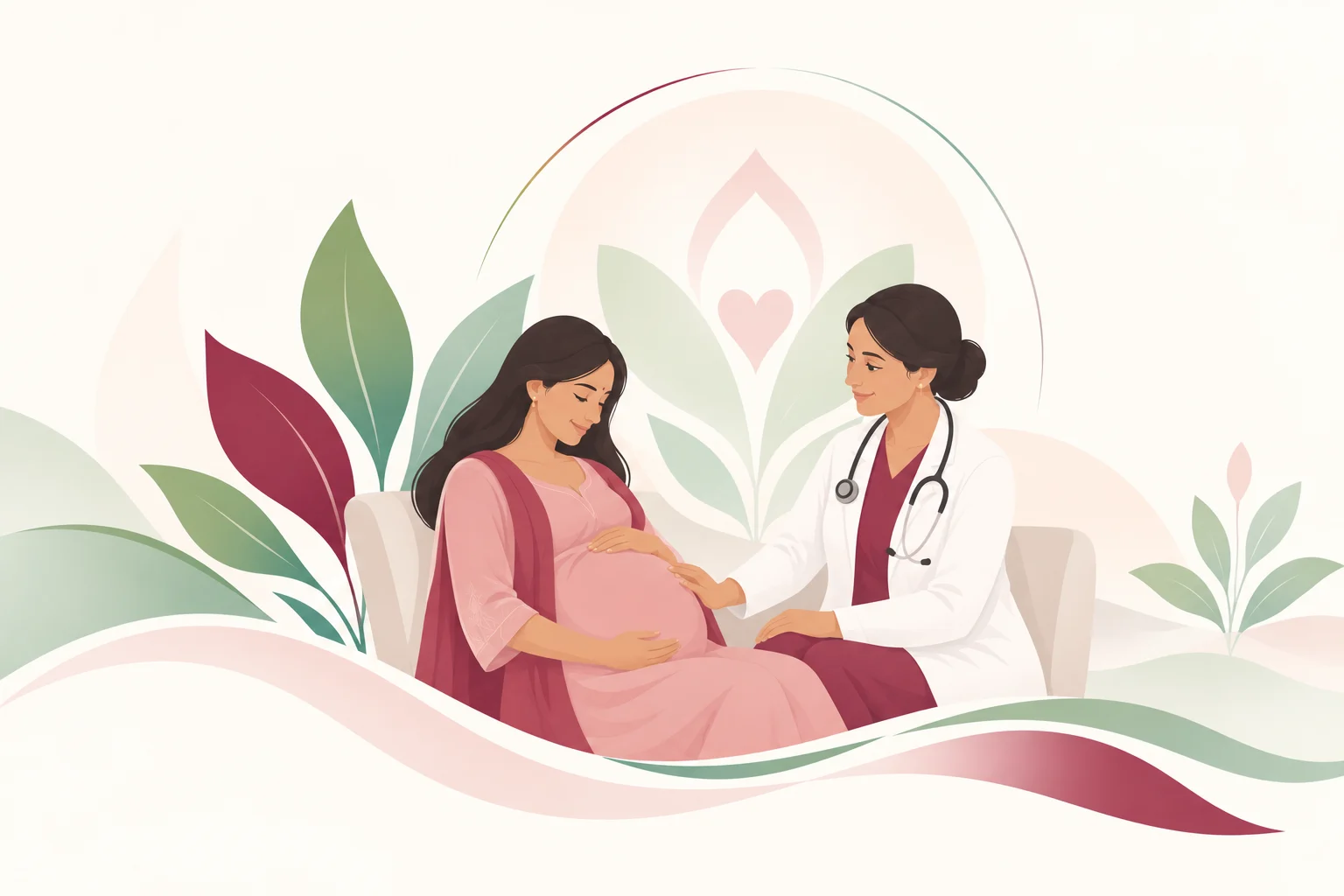
What "high-risk" means. A pregnancy is generally described as high-risk when the mother, the baby, or both, have a higher-than-average chance of complications during pregnancy, labour, or delivery. Being told a pregnancy is high-risk doesn't mean something will go wrong - it means closer monitoring is warranted so that any issue is caught early.

Explore More

Key insights about this service

01

What can make a pregnancy high-risk

  • Pre-existing conditions such as diabetes, high blood pressure, thyroid disorders, or autoimmune disease
  • Pregnancy-specific conditions such as gestational diabetes or pregnancy-induced hypertension/pre-eclampsia
  • Multiple pregnancy (twins or more)
  • Advanced maternal age
  • A prior pregnancy with complications (preterm birth, pregnancy loss, a complicated delivery)
  • Placental conditions (such as placenta previa)
  • A fetal finding identified on scan or screening that needs closer monitoring
02

How a high-risk pregnancy is monitored

Monitoring is typically more frequent than in a routine pregnancy and may include more frequent scans and growth checks, closer blood pressure and blood sugar monitoring, targeted fetal assessment where relevant, and a delivery plan decided well ahead of time rather than left until labour begins.

03

When to seek specialist assessment

If your doctor has flagged a risk factor, if you have a pre-existing condition and are planning a pregnancy or are already pregnant, or if a previous pregnancy was complicated, a consultation focused specifically on risk assessment and a monitoring plan is worth having early rather than waiting for a routine visit to raise it.

04

Delivery planning

High-risk pregnancy management includes planning the safest delivery approach in advance - vaginal delivery, planned C-section, or a delivery plan built around specific monitoring needs - discussed with the patient ahead of the due date.

05

High-Risk Delivery Management

Shraddha Women's Hospital provides 24x7 emergency and delivery services, a dedicated labour table, an operation theatre equipped for both planned and emergency caesarean section, a neonatal warmer on premises, and a full-time paediatrician and neonatologist available on call - so a high-risk delivery can be managed on-site rather than requiring transfer at the point of labour.

06

Dr. Mody's role

16+ years managing both routine and high-risk obstetric cases, supported by fetal medicine and advanced ultrasound training where fetal monitoring is part of the risk picture.

07

When referral may be appropriate

Some high-risk conditions require care at a tertiary centre with facilities such as a Level III NICU or maternal-fetal medicine subspecialists beyond what a dedicated women's hospital provides - where relevant, this is discussed and arranged directly with the patient.

This page provides general medical information and does not replace individualised advice from your treating doctor.

FAQs

Frequently asked questions

  • What is a high-risk pregnancy?
    A pregnancy with a higher-than-average chance of complications for the mother, the baby, or both - meaning closer monitoring is recommended, not that a complication will necessarily occur.
  • When should I see a high-risk pregnancy specialist?
    If your doctor flags a risk factor, you have a pre-existing condition and are pregnant or planning pregnancy, or a previous pregnancy was complicated.
  • What factors can make a pregnancy high-risk?
    Pre-existing conditions like diabetes or hypertension, pregnancy-specific conditions like gestational diabetes or pre-eclampsia, multiple pregnancy, advanced maternal age, prior pregnancy complications, or certain placental conditions.
  • How is a high-risk pregnancy monitored?
    Typically with more frequent scans and checkups, closer blood pressure/blood sugar monitoring, targeted fetal assessment where relevant, and a delivery plan decided in advance.

Discuss Your High-Risk Pregnancy Plan

Book an early risk assessment with Dr.Shaili Mody. Call or WhatsApp: 9913309616 | Shraddha Women's Hospital, Rajkot